Where Locals Eat In Bologna: Beyond The Tourist Traps
Locals avoid Piazza Maggiore and eat in Via San Felice, Saragozza, and near Via Zamboni. Real trattorias serve €10–15 primi, no tourist menus, late dinners.
Keep the restaurant plan independent, or add guided tasting when local explanation and an arranged route would help. Choose Your Food Experience.
TL;DR
Choose restaurants by current menus, location and how well they meet your needs. A city walk can add context; a private guide can sequence tastings, while independent dining keeps the choice yours.
How Do You Actually Spot Where Locals Eat In Bologna?
Check Bologna Food-Walk Availability
Which Bologna departure could become the anchor for your food day? The three-hour route combines local tastings with a guide to connect the stops.
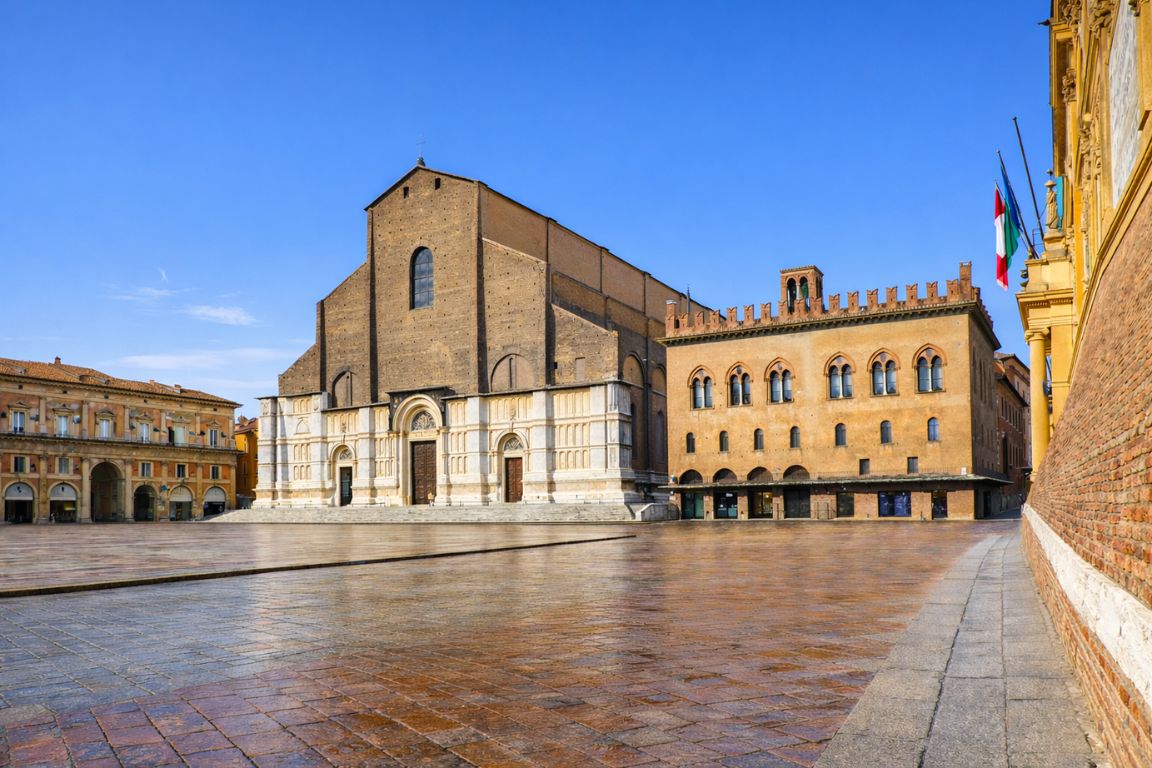
Walk past any restaurant with photos on the menu. Locals don’t need pictures to know what tagliatelle looks like.
Here’s what genuinely local places look like: handwritten chalkboard menu or single-page printed menu that changes daily based on what’s fresh. Prices for primi (first courses) running €8-14, not €16-20. Tables filled with Italians having animated conversations in dialect, not tourists studying their phones. Staff who speak minimal English and don’t particularly care to improve. Kitchen visible or semi-visible, often with a grandmother or mother figure actually cooking. Wine list might be just “rosso o bianco?” (red or white) with house wine in carafes.
One observation to make: pass by at 1pm on a Wednesday. If it’s packed with locals in work clothes having quick lunch, it’s real. If it’s half-empty or filled with tourists in shorts consulting guidebooks, skip it.
Location matters more than tourists realize. A central location alone does not establish food quality. Real local places sit in residential neighborhoods where rent is cheaper and the only customers are people who live or work nearby.
The languages you hear are not a quality guarantee. If you hear more English than Italian, you’re in a tourist restaurant. Use the menu and your needs to decide.
For a detailed look at the best Bologna Italy food tours and how they stack up, check out our full comparison.
Table: Tourist Trap Vs Local Restaurant Indicators In Bologna
Planning examples in this table are not current quotes or measured guarantees. Confirm prices, opening hours, party size and inclusions directly for your date.
| Factor | Tourist Trap | Local Restaurant | Why It Matters |
|---|---|---|---|
| Location | Piazza Maggiore area, Via dell’Indipendenza, main tourist routes | Residential streets (Via San Felice, Via Saragozza), university district, away from center | Rent forces tourist spots to maximize per-table revenue |
| Menu | Laminated with photos, 8 languages, extensive, never changes | Handwritten chalkboard or single page, Italian only, changes daily | Locals want fresh seasonal items, tourists want familiar |
| Prices (Primi) | €16-25 | €8-14 | Tourist pricing vs local market rate |
| Staff English | Fluent, eager to speak English | Minimal to none, indifferent | Locals don’t need English service |
| Hours | Open 11am-11pm continuously | Closed 3-7pm, open only lunch/dinner | Italian dining hours, not all-day tourist service |
| Crowd at 1pm | Mixed tourists/empty | Packed with local workers | Lunch rush timing reveals clientele |
| Outside Touts | Yes – someone inviting you in | Never | Desperate for business vs confident regulars |
| “Tourist Menu” | €15-25 fixed menus advertised | Doesn’t exist | Local spots don’t do fixed tourist packages |
| Wine | Extensive list, marked up heavily | House carafe red/white, €8-12/liter | Locals drink simple house wine |
| Atmosphere | Quiet, subdued, tourists studying menus | Loud, animated Italian conversations | Real restaurants are social spaces |
What Neighborhoods Do Bolognese People Actually Choose For Dining?
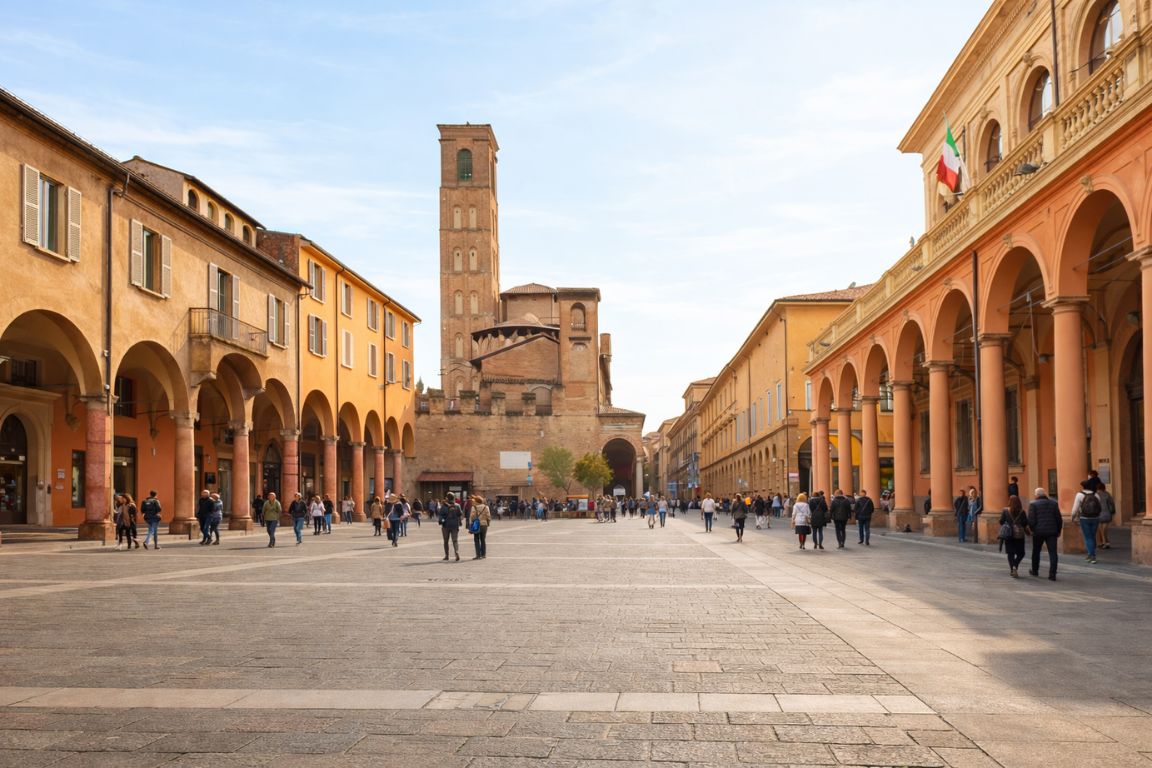
Via San Felice (west of center, 10-minute walk from Piazza Maggiore) is proper residential Bologna. University students live here, families shop here, and the restaurants serve people who eat there weekly, not once. Trattoria da Me, Trattoria Anna Maria (when you can get in – locals book days ahead), and several unnamed small spots with 8 tables run by families. This street rewards walking and exploring. Nothing here caters to tourists because tourists rarely find it.
Via Saragozza (southwest, heading toward Santuario della Madonna di San Luca) similarly residential. The porticoed street lined with local restaurants, alimentari (food shops), and neighborhood spots. People eating here live within 500 meters. Expect traditional cooking, zero English, and prices that make sense for feeding yourself three times weekly, not once in your lifetime.
University District (around Via Zamboni and surrounding streets) feeds students and professors. Osteria dell’Orsa being the most famous but still genuine – packed with university crowd, political posters on walls, €8-14 primi, €5 house wine. This is young, social, loud dining. Also try the small streets around Via delle Belle Arti and Via Petroni where students know which tiny trattorias offer the best value.
Santo Stefano Area (east of center around Piazza Santo Stefano and Via Santo Stefano) has money – professionals, established families. The restaurants here are more upscale but still local. Higher prices (€15-20 primi) but quality matches. Less rustic trattoria, more refined osteria. Locals celebrating occasions eat here, not tourists.
Beyond Porta San Mamolo (south, outside the old city gates) gets properly residential. Family-run trattorias serving the neighborhood, zero tourists ever. You need specific addresses because there’s nothing to stumble upon – these places exist to feed the locals who live there.
The pattern is clear: the further from Piazza Maggiore, the more authentic. Tourists cluster within 5-minute walks of the square. Walk 15 minutes in any direction and the restaurants transform.
Looking for quick bites instead? Our Bologna street food guide shows you exactly what to grab and where to find it.
Table: Bologna Dining Neighborhoods Comparison
Planning examples in this table are not current quotes or measured guarantees. Confirm prices, opening hours, party size and inclusions directly for your date.
| Neighborhood | Distance from Center | Vibe | Price Level (Meal) | Tourist % | Best For | Specific Streets |
|---|---|---|---|---|---|---|
| Piazza Maggiore Area | 0 min (center) | Tourist-focused | €25-40 | Not measured; confirm directly | Avoiding | Via dell’Indipendenza, Piazza Maggiore |
| Quadrilatero | 2-5 min walk | Mixed (market area, some authentic, some tourist) | €15-30 | Not measured; confirm directly | Selective – know where you’re going | Via Pescherie Vecchie (mixed) |
| Via San Felice | 10 min walk west | Residential, authentic | €15-25 | Not measured; confirm directly | Real local trattorias | Via San Felice, side streets |
| Via Saragozza | 10 min walk southwest | Residential, family-oriented | €15-25 | Not measured; confirm directly | Traditional family cooking | Via Saragozza, Via Urbana |
| University District | 5-10 min walk north/east | Young, student, political | €12-22 | Not measured; confirm directly | Budget authentic, social atmosphere | Via Zamboni, Via delle Belle Arti, Via Petroni |
| Santo Stefano Area | 8 min walk east | Upscale residential | €20-35 | Not measured; confirm directly | Refined local dining, special occasions | Via Santo Stefano, Piazza Santo Stefano |
| Beyond City Gates | 15-20 min walk any direction | Pure residential | €15-25 | Not measured; confirm directly | Absolute authenticity, if you have addresses | Via Andrea Costa, Via San Mamolo outside gates |
Which Specific Restaurants Do Locals Actually Frequent In Bologna?
Trattoria da Me (Via San Felice 50) – Check the current menu and available tables on the official Trattoria da Me website. €10-12 primi, €14-16 secondi. Tortellini in brodo on Sundays. Reserve through Trattoria da Me’s official website and confirm your service time. Cash preferred.
Osteria dell’Orsa (Via Mentana 1) – Student and professor hangout since 1990s. Political posters cover walls (this is left-wing Bologna in concentrated form). €8-14 primi, €5 house wine, €12-18 complete meal. Loud, social, communal tables. Tortelloni al ragù is what regulars order. Expect to wait 15-30 minutes at peak times. Open lunch and dinner, no reservations.
Da Cesari (Via de’ Carbonesi 8) – Since 1955, operating continuously, serving classic Bolognese cuisine to locals who eat alone reading newspapers at lunch. €12-16 primi, €16-22 secondi. Tagliatelle al ragù made properly. Professional service, white tablecloths, serious about food. Reservations recommended dinner. Slightly more upscale but locals dominate the crowd.
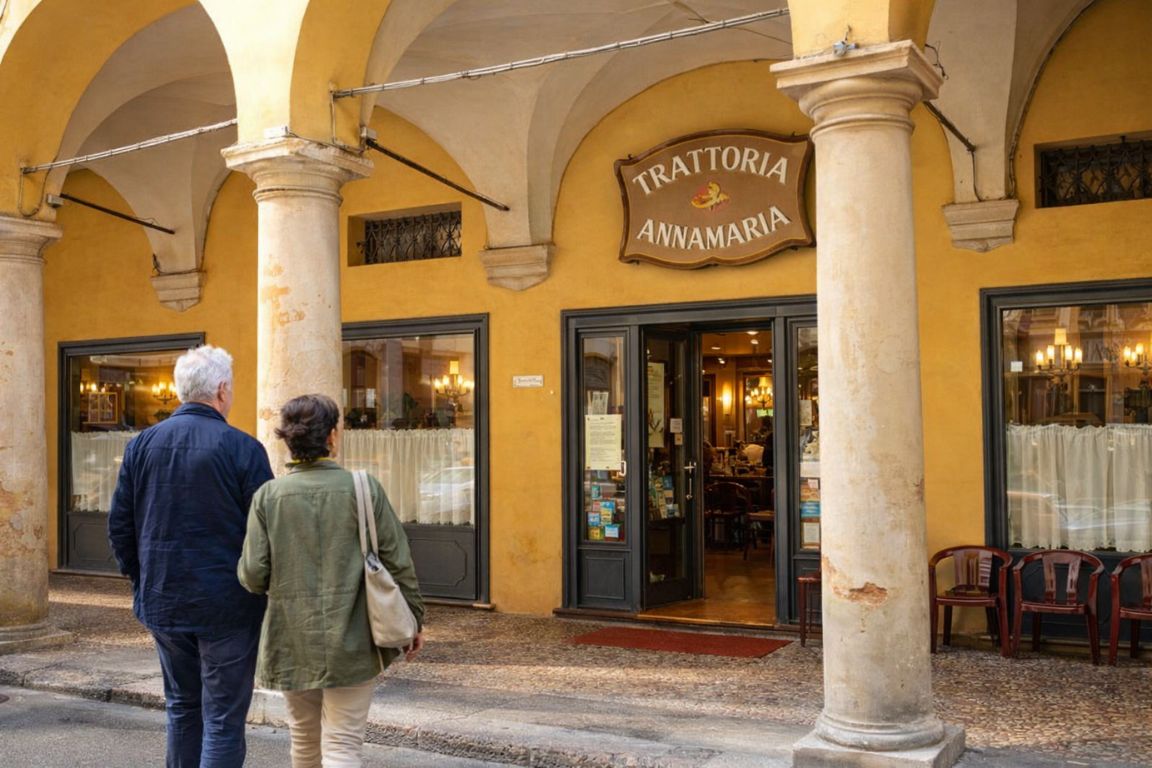
Trattoria Anna Maria (Via Belle Arti 17/a) – Famous among locals (tourists discovered it too, but it remains authentic). Check the restaurant’s current menu and booking information. €12-15 primi. The tortellini and gramigna alla salsiccia (curly pasta with sausage ragù) are what regulars order. Reservations essential – locals book days ahead. Confirm current lunch and dinner service on the restaurant’s official page.
Trattoria del Rosso (Via Augusto Righi 30) – Near university, feeding students and staff since 1964. €9-13 primi, massive portions. The tagliatelle verde al ragù (green spinach pasta) is a specialty. Expect to share long tables with strangers. No English menu, no English service, no problem – point at what looks good. Cash only.
Osteria Broccaindosso (Via Broccaindosso 7/a) – Tiny, eight tables maximum, family-run since forever. Changes menu daily based on market. €10-14 primi. The owner will tell you what’s good today – don’t argue, just order it. Wine comes in unmarked bottles (house production from family vineyard). Locals consider this a treasure. Dinner only, closed Sundays and Mondays.
Drogheria della Rosa (Via Cartoleria 10) – Small intimate spot, locals celebrating occasions. €14-18 primi, €20-28 secondi. More refined than trattoria but not pretentious ristorante. Reservations essential. The daily specials handwritten on the board are always better than the standard menu.
These aren’t “hidden gems” to locals – they’re just where people eat. The reason tourists miss them is location (residential streets) and lack of tourist infrastructure (no English, no photos, no obvious signage).
We’ve got a full breakdown of the best restaurants in Bologna Italy food tours include – helpful whether you’re booking a tour or planning solo.
Table: Specific Local Restaurants In Bologna Comparison
Planning examples in this table are not current quotes or measured guarantees. Confirm prices, opening hours, party size and inclusions directly for your date.
| Restaurant | Location/Neighborhood | Price Range (Full Meal) | Vibe | Local % | Signature Dish | Reservations? | Best Time |
|---|---|---|---|---|---|---|---|
| Trattoria da Me | Via San Felice (residential) | €15-22 | Consult the current menu | Not measured; confirm directly | Tortellini in brodo (Sunday) | Confirm the current reservation policy | Lunch 12:30pm or dinner 7:45pm |
| Osteria dell’Orsa | Via Mentana (university) | €12-18 | Student hangout, political, loud | Not measured; confirm directly | Tortelloni al ragù | No – expect wait | Lunch 1pm or late dinner 9pm |
| Da Cesari | Via de’ Carbonesi (near center but off main drag) | €25-35 | Professional, classic, serious | Not measured; confirm directly | Tagliatelle al ragù | Yes (dinner) | Lunch for solo dining with newspaper |
| Trattoria Anna Maria | Via Belle Arti (university area) | €20-30 | Traditional, Traditional Bolognese cooking | Not measured; confirm directly | Gramigna alla salsiccia | Essential – book days ahead | Confirm current service times |
| Trattoria del Rosso | Via Augusto Righi (university) | €15-22 | Student budget, communal tables | Not measured; confirm directly | Tagliatelle verde al ragù | No | Lunch 12:30-1:30pm |
| Osteria Broccaindosso | Via Broccaindosso (residential) | €18-28 | Tiny, intimate, family secrets | Not measured; confirm directly | Whatever they recommend that day | Yes (limited tables) | Dinner only, closed Sun-Mon |
| Drogheria della Rosa | Via Cartoleria (near center, hidden) | €28-40 | Refined, romantic, special occasions | Not measured; confirm directly | Daily specials on chalkboard | Essential | Dinner 8:30pm |
Where Do Locals Shop For Food Vs Where Tourists Go?
Mercato delle Erbe (Via Ugo Bassi 25) is where Bolognese people actually buy groceries. Morning vendors selling vegetables, fruit, meat, fish, cheese. Locals shopping for the day’s cooking, comparing prices, arguing about quality, buying only what they need for tonight’s dinner. Minimal tourists. Surrounding the market are casual lunch counters where vendors and shoppers eat – these are real. No Instagram aesthetics, just functional food.
La Piazzola (Piazza VIII Agosto, Friday and Saturday mornings) is Bologna’s outdoor market – clothing, household items, food stalls. Locals shopping here since forever. The food section has cheese wheels, hanging salami, olive vendors, dried goods. This is functional shopping, not touristic atmosphere. Arrive by 9am for best selection.
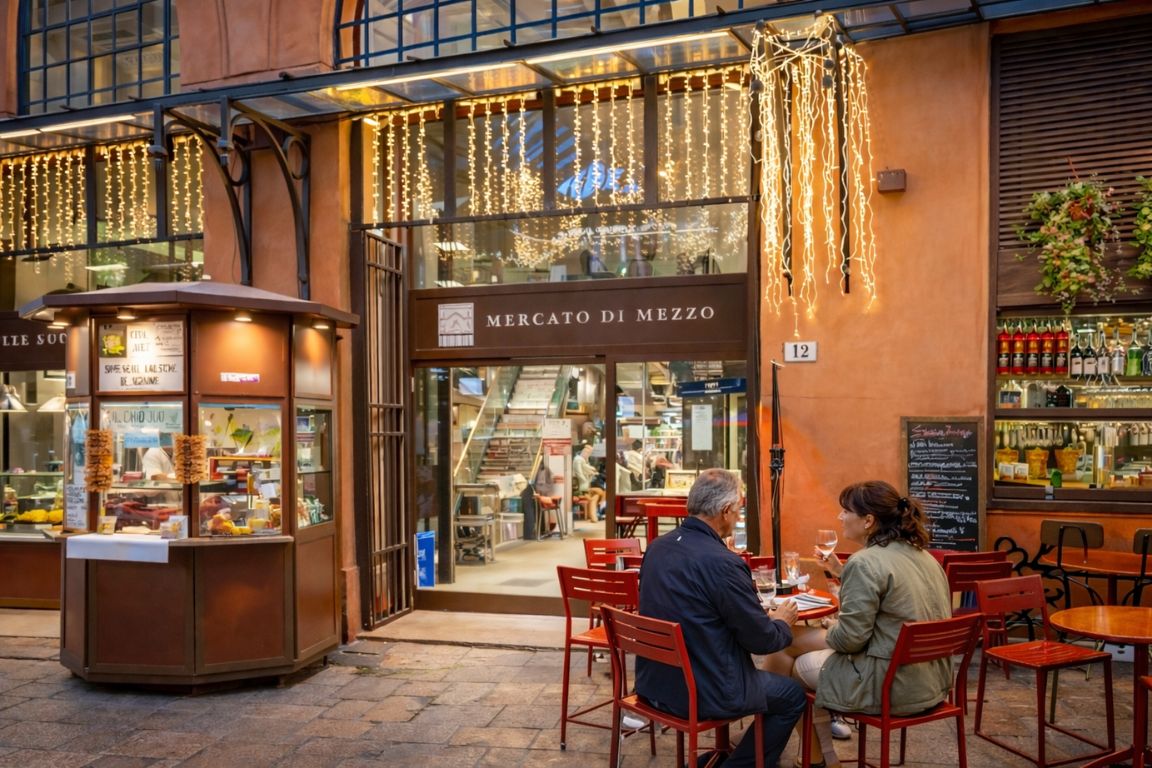
Mercato di Mezzo (Via Clavature) got renovated and gentrified. Locals still shop the ground floor fresh vendors but understand it’s become tourist-heavy. The upstairs food court is convenient but not where locals go for authentic experience – it’s where they go for acceptable-quality fast food when short on time.
Grand Tour Italia (formerly FICO) (Via Paolo Canali 8, outside city center) is Italian food theme park. Locals don’t go unless showing out-of-town guests. Tourists love it. Skip it unless you want sanitized corporate Italian food experience.
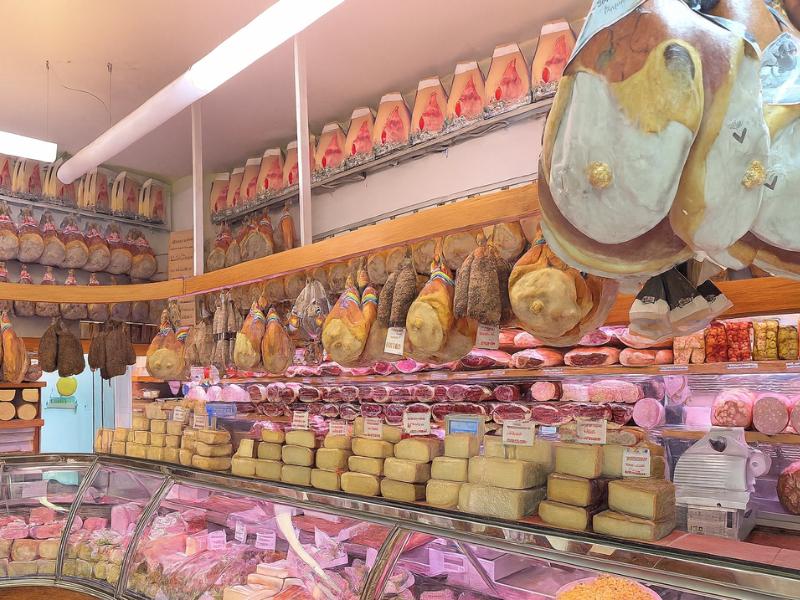
Neighborhood Alimentari (small food shops throughout residential areas) are where locals shop daily – the corner shop with prosciutto hanging, cheese wheels, fresh pasta made in-house, bread from local baker. Via San Felice, Via Saragozza, residential streets everywhere have these. No tourists because there’s no reason for tourists to be in these neighborhoods.
The pattern: locals shop where they live, near where they’ll cook. Tourists shop in designated “food experiences.” The overlap is minimal.
Trying to decide how to tackle Bologna’s food scene? Our guide on Bologna Italy food tours vs eating on your own breaks down the pros and cons of each.
What Times Do Locals Actually Eat In Bologna?
Lunch: 12:30-2pm is sacred. Restaurants opening at noon see locals arriving 12:30-1pm. Peak chaos 1-1:30pm. By 2:30pm, locals are gone and kitchens are closing.
Any restaurant serving “lunch” at 11:30am or keeping lunch service until 4pm is tourist-focused. Italians don’t eat lunch at 11:30am. They have espresso at 11am. Lunch is 1pm.
Dinner: 8:30-10pm for locals. Restaurants open for dinner at 7:30pm. Locals arrive 8:30-9pm. If you’re eating at 7pm, you’re eating with tourists and maybe two Italian families with small children who need early bedtime.
The 6pm dinner timing Americans prefer doesn’t exist in local Bologna culture. Aperitivo happens 6-8pm (drinks and light snacks), then actual dinner 8:30pm or later.
Days Matter Too: Many local trattorias close Sundays (family day, everyone eats at home or with relatives). Some close Mondays. Wednesday afternoon closures are common (traditional riposo afternoon off). Check before planning Wednesday visits.
Table: When Locals Eat Vs When Tourists Eat In Bologna
| Meal/Time | Locals | Tourists | Restaurant Scene | Who to Eat With |
|---|---|---|---|---|
| Breakfast (8-10am) | Quick espresso standing at bar, cornetto if anything | Sitting for cappuccino and pastry | Bars serve both, locals stand, tourists sit | Mixed but separate |
| Mid-Morning (11am) | Second espresso standing | Nothing or late breakfast | Locals at bar, tourists at cafes | Mostly locals at bars |
| Lunch (12:30-2pm) | Peak dining hour, work lunch, quick service | Scattered arrival 12-1pm | True local trattorias packed | Overwhelmingly locals at real spots |
| Lunch (11:30am or 2:30pm+) | Nobody | Some tourists | Tourist restaurants accommodating | All tourists |
| Afternoon (3-5pm) | Closed / nothing | Looking for food, frustrated | Most restaurants closed | Nobody – closed |
| Aperitivo (6-8pm) | Drinks and light snacks, social | Often eating “dinner” | Mixed bars, locals drinking not eating, tourists having early dinner | Mixed but different purposes |
| Dinner (6-7pm) | Families with children only | Peak tourist dinner hour | Tourist-focused restaurants | Not measured; confirm directly |
| Dinner (8:30-10pm) | Peak dinner hour | Some tourists, mostly gone by 9pm | Real local restaurants packed | Not measured; confirm directly |
| After 10pm | Digestivo, heading home | Already in bed (early tourist wake-up) | Winding down | Locals finishing leisurely meals |
How Should You Order Like A Local In Bologna?
Don’t study the menu for 10 minutes. Ask “Cosa consigliate oggi?” (What do you recommend today?). Locals trust the restaurant to know what’s fresh and good. The kitchen made something special today – that’s what you want.
Order the structure: antipasto (optional, locals often skip), primo (pasta or soup – this is not optional), secondo with contorno (main and side – locals usually order this but tourists can skip if full), dolce (dessert, optional), caffè (espresso always).
Ask about ingredients and substitutions whenever needed; confirm requirements before ordering.
Don’t order multiple primi. One primo per person. Tourists order tortellini AND tagliatelle to “try both.” Locals pick one, eat it, done.
Water comes automatically (usually sparkling – acqua frizzante). Wine by the carafe (mezzo litro – half liter, or litro – full liter) is what locals drink. House wine is perfectly acceptable, often excellent.
Don’t ask for cappuccino after a meal. Locals drink espresso after meals, always. Cappuccino is breakfast drink only. After 11am, Italians drink espresso (caffè).
What Should You Actually Order At Local Bologna Restaurants?
Always Available and Good:
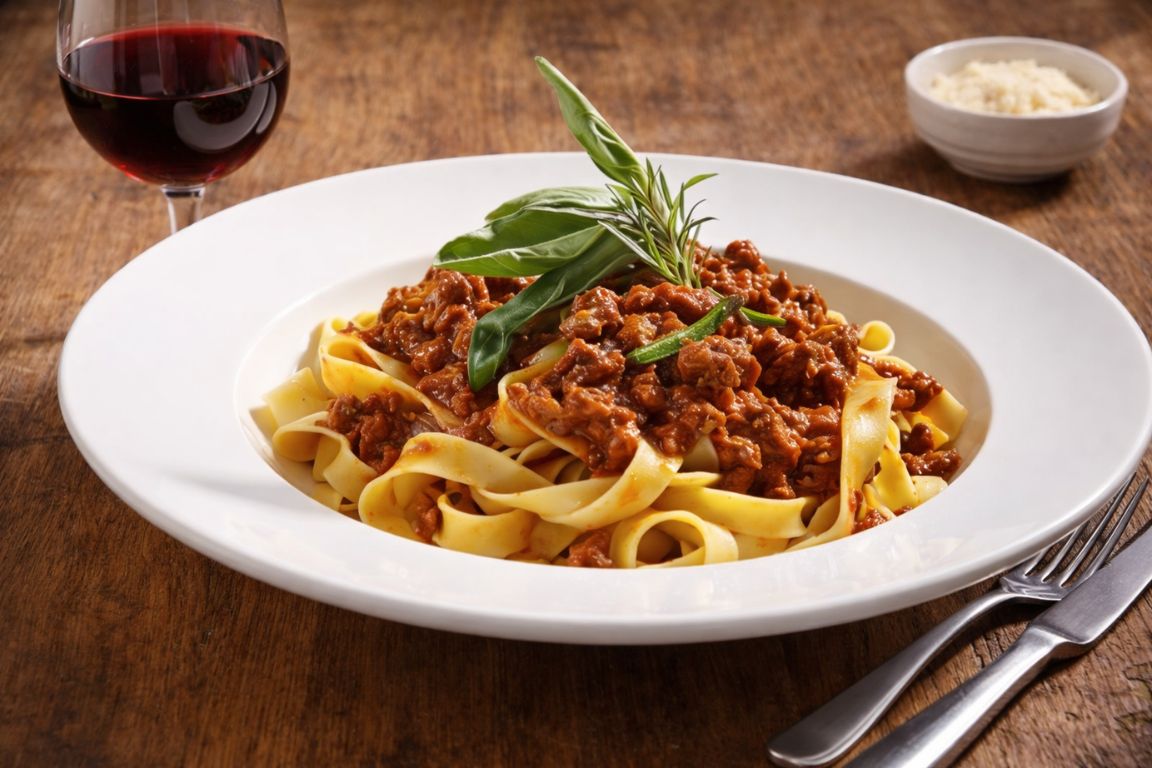
- Tagliatelle al ragù (the classic, done properly)
- Tortellini in brodo (especially Sundays)
- Gramigna alla salsiccia (curly pasta with sausage ragù, local specialty)
- Lasagne alla bolognese (not everywhere, but excellent where offered)
Seasonal Specials:
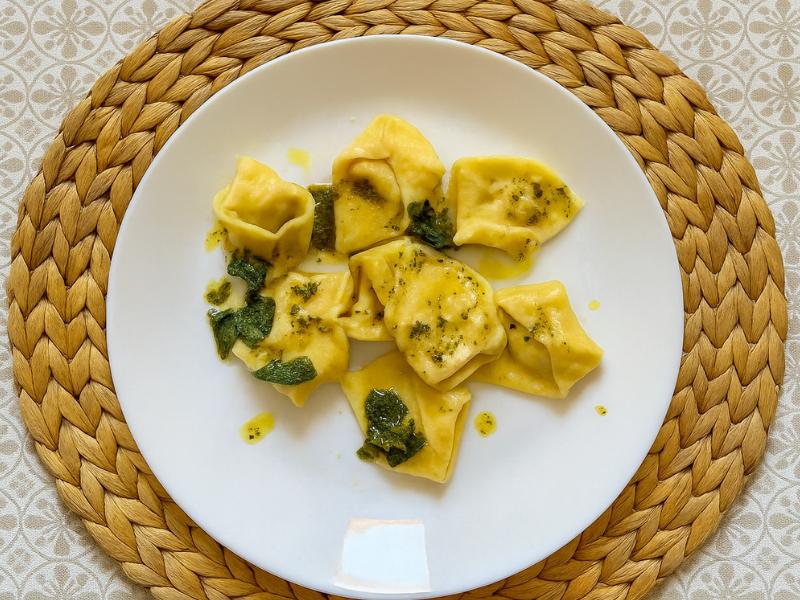
- Fall/winter: Tortelloni with butter and sage, brasato (braised meat), bollito misto (boiled meats)
- Spring: Asparagus dishes, lighter pastas, fresh vegetables
- Summer: Tomato-based sauces, grilled meats, lighter preparations
- Truffle season (Oct-Dec): Fresh truffle on tagliatelle (expensive but worth it at local spots)
What Locals Skip:
- Spaghetti bolognese (doesn’t exist in Bologna – it’s tagliatelle al ragù)
- Anything “tourist menu” or “menu turistico”
- Overly complicated fusion dishes (if the trattoria is doing fusion, it’s lost its way)
Safe Orders When Uncertain:
- Piatto del giorno (dish of the day) – always good
- Whatever the table next to you ordered that looks good
- What the server recommends when you ask
FAQs
How do I find local restaurants without speaking Italian? Walk residential neighborhoods (Via San Felice, Via Saragozza, university streets) during lunch or dinner rush. See where crowds of Italians are entering. Check whether the menu suits you before joining the queue. The language barrier matters less than location and observation. You can point at food, use Google Translate for basics, and let the restaurant guide you.
Are local Bologna restaurants more expensive or cheaper than tourist restaurants? Significantly cheaper. Tourist restaurants charge €25-40 for a full meal. Local trattorias run €15-25 for the same amount of food, often better quality. The real difference is primi: tourists pay €16-25, locals pay €8-14 for the same pasta.
Can I walk into local restaurants without reservations? Depends on the restaurant. Small famous ones (Trattoria Anna Maria, Da Cesari dinner) require reservations days ahead. Booking policies vary. Trattoria da Me offers reservations through its official website; check other restaurants directly. Timing matters: arrive 12:30pm lunch or 8:30pm dinner for best availability.
What if I’m a solo traveler – can I eat at local Bologna restaurants alone? Absolutely. Locals frequently eat solo, especially at lunch – workers grabbing quick meal, reading newspaper, done in 45 minutes. Da Cesari at lunch is full of locals dining alone. Evening solo dining is less common but perfectly acceptable. You’ll blend in better solo than in obvious tourist groups.
Do local Bologna restaurants accommodate dietary restrictions? Rarely with flexibility. These are traditional kitchens making traditional dishes. Vegetarians can find pasta options (ask for pasta al pomodoro or pasta with vegetables). Vegans struggle – egg pasta, Parmigiano, and butter appear everywhere. Gluten-free is increasingly available (pasta senza glutine) but call ahead. Ask the kitchen to confirm whether it can meet your requirements.
How do I know if I should tip at local Bologna restaurants? Tipping is evolving in Bologna. Traditional: no tip expected, round up bill slightly or leave €1-2 per person maximum. Modern: 10% becoming acceptable at nicer places for good service. Local practice: observe other Italian customers – if they’re leaving 10%, you can too. If they’re leaving nothing or €2, follow that. Never feel obligated to tip 20% American-style.
What’s coperto and why am I charged for it at local Bologna restaurants? Coperto is cover charge (€1.50-3 per person) covering bread, table setting, service. It’s legal and standard at all Italian restaurants including local ones. Check the listed cover charge before ordering. Locals pay coperto too – it’s not a tourist tax. It’s disclosed on the menu legally.
Can I get local Bologna restaurant recommendations from my hotel? Ask carefully. “Where do you recommend for tourists?” gets commission-based answers. “Where do YOU personally eat when you’re not working?” gets honest local spots. Better yet: ask hotel cleaning staff or maintenance workers – they live in Bologna on local wages and eat at actual local prices.
Glossary
Trattoria: Casual family-run restaurant, informal atmosphere, traditional cooking, moderate prices. This is where locals eat regularly.
Osteria: Historically a wine bar with food, now similar to trattoria but sometimes slightly more refined. Still casual and local-focused.
Ristorante: More formal restaurant, higher prices, professional service, tablecloths. Locals eat here for special occasions, not weekly.
Piatto del giorno: Dish of the day, typically what’s freshest and what the kitchen made specially today. Ask what the dish includes before deciding.
Coperto: Cover charge (€1.50-3 per person) for bread, table setting, service. Legal, standard, disclosed on menu. Everyone pays it.
Primo: First course, typically pasta, risotto, or soup. The main course in local eating (not an appetizer despite the name).
Secondo: Second course, meat or fish with side dishes. Locals order this but tourists can skip if full from primo.
Contorno: Side dish (vegetables, potatoes, salad) accompanying secondo. Ordered separately, shared at table.
Digestivo: After-dinner drink (grappa, amaro, limoncello) aiding digestion. Offered after coffee, never before.
Menu turistico: Tourist menu, fixed price multiple courses. A set menu is not by itself evidence of poor quality; compare its dishes and total.
Riposo: Afternoon closing time (typically 3-7pm) when restaurants close between lunch and dinner service, traditional Italian schedule.